How LoRa Technology is Revolutionizing Livestock Monitoring and Enabling Smarter Farming Practices
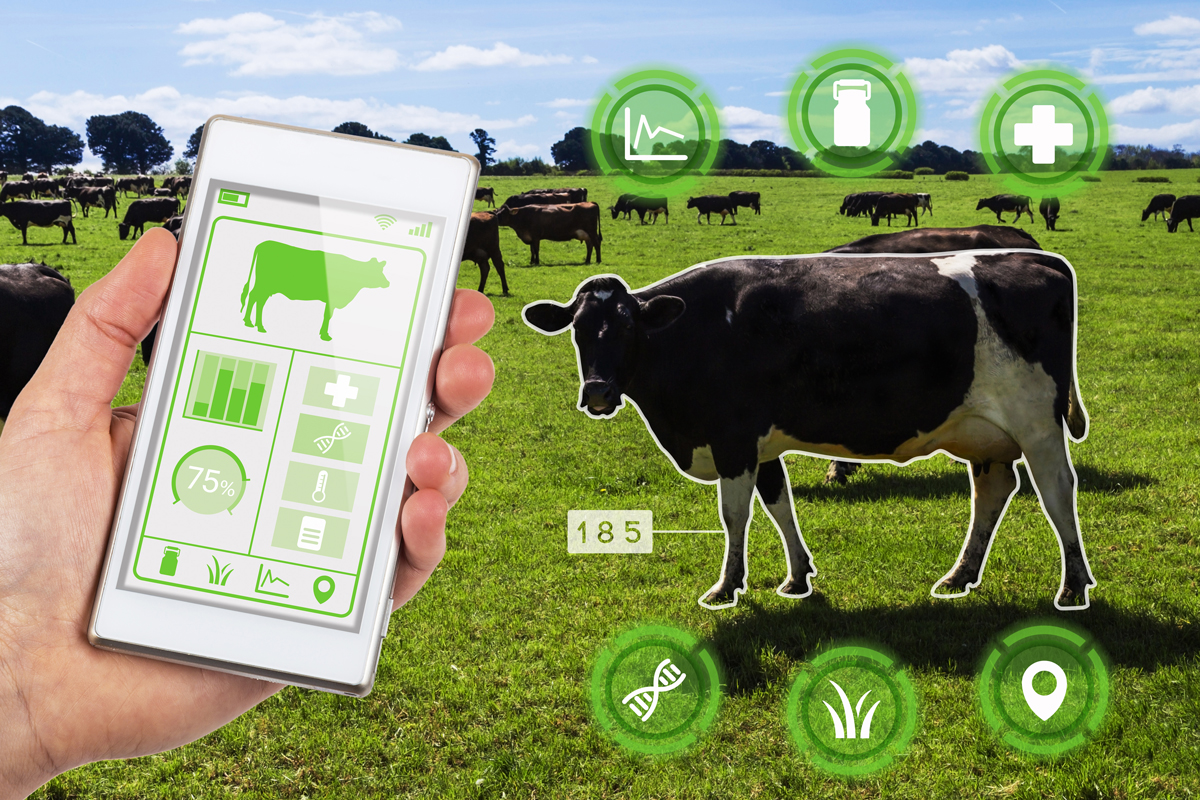
Figure 1: LoRa-enabled IoT devices are driving a transformation in the ways farms and livestock are managed.
In the rapidly evolving and expanding world of the Internet of Things (IoT), LoRa technology has emerged as a transformative force for industries that require long-range, low-power, and cost-effective connectivity. The agricultural sector, particularly livestock monitoring, is now experiencing significant advancements, with previously disconnected operations beginning to benefit from real-time digital oversight.
For farmers managing dairy cattle, beef herds, sheep, goats, and other free-ranging livestock, LoRa opens the door to more flexible and efficient practices. It helps bridge the gap between open-pasture animal welfare and the need for operational control – supporting smarter, more sustainable agriculture without sacrificing autonomy or oversight.
The Challenges in Livestock Monitoring
Modern farms face a complex matrix of challenges ranging from infrastructure gaps and animal welfare to economic, environmental, and regulatory concerns. Many farms, particularly in remote regions, also grapple with unreliable access to veterinary services, limited surveillance capabilities, and an ever-present risk of disease outbreaks – compounding the traditional burdens of animal management.
Effective livestock management is critical for maintaining animal health, welfare, and productivity. However, traditional methods often struggle to meet the evolving demands of modern agriculture, especially in large-scale or remote operations, with the key challenges including:
Remote Locations & Connectivity Gaps – Livestock is widely grazed in remote or extensive areas. For example, in Europe, this is often characterized by rough pastures, mountainous or hilly terrain, moorlands, and grasslands, where cellular or broadband infrastructure is often sparse or unreliable. Historically, limited network infrastructure has hampered remote animal monitoring and environmental data integration, negatively affecting both daily management and long-term productivity.
Health Monitoring & Early Detection – Traditional health checks rely on manual observation and periodic inspections, which are labor intensive and, in some animals, inconsistent, leading to early indicators of disease or distress being missed. The consequences include delayed treatment, poorer animal welfare, and higher veterinary bills, potentially impacting productivity.
Asset Loss, Theft & Biosecurity – Livestock, by nature, tends to both roam and blend it in with their surroundings. This can mean animals that stray too far or fall ill out of sight go missing all too frequently. Critically, theft also presents a significant challenge, with the NFU, an agricultural and horticultural body for England and Wales, finding in its 2025 rural crime report that £3.4 million in estimated livestock theft occurred during 2024 across its regions . NFU’s data indicated a highly organized crime pattern in sheep theft, where single raids often involve 50 or more sheep. Furthermore, ineffective monitoring can increase biosecurity risks, allowing disease to spread across regions unchecked.
Cost Constraints & Infrastructure Barriers – Advanced monitoring solutions often demand significant capital for hardware, maintenance, and data services. This places them out of reach for many small- and medium-sized farms.
By addressing connectivity, health, security, and cost simultaneously, effective livestock monitoring holds the potential to transform both farm-level operations and broader agricultural systems.
How LoRa Technology Addresses Livestock Monitoring Challenges
LoRa (short for Long Range) is a wireless communication technology designed specifically for IoT applications that utilizes license-free sub-gigahertz radio bands, like 433MHz and 868 MHz in Europe. LoRa technology is ideal for livestock monitoring due to its low power, long range, and ability to create cost-effective and reliable deployments, even in areas with limited infrastructure.
Here’s how LoRa modules, like those offered by Murata Electronics, are transforming livestock management:
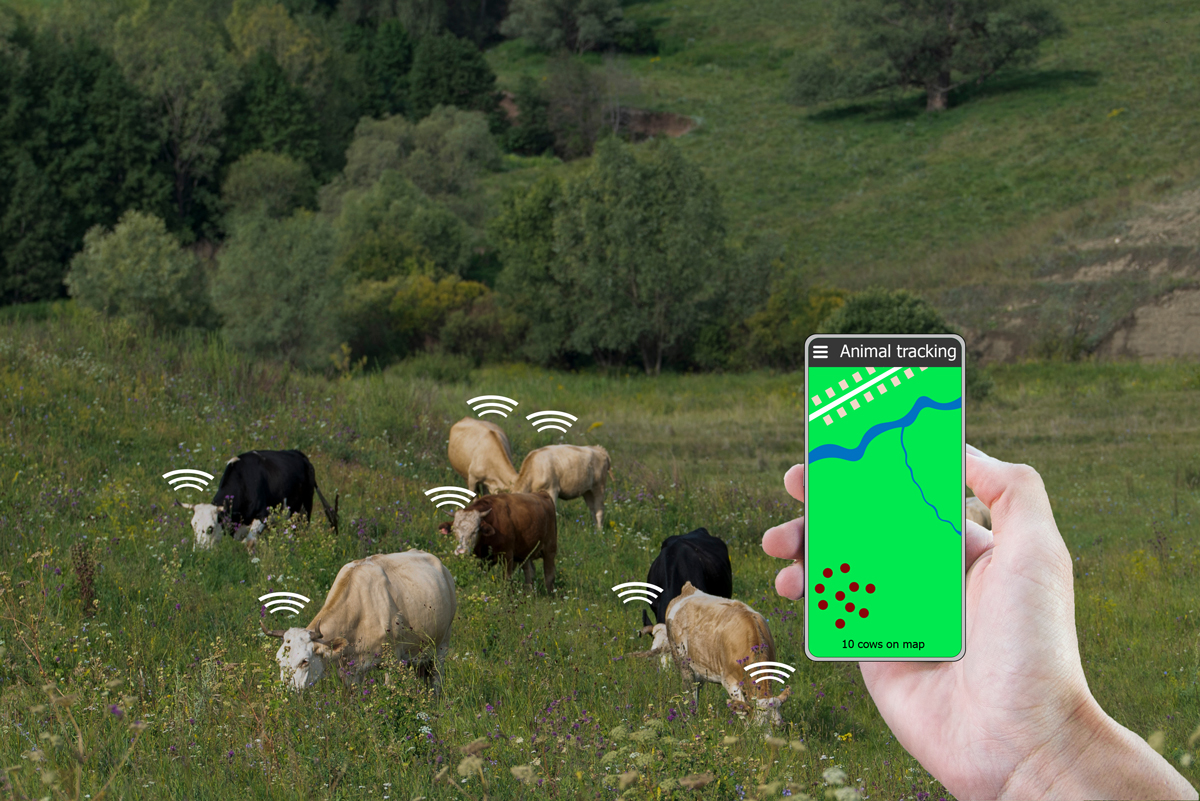
Real-Time Location Tracking – By attaching LoRa-enabled GPS or radio-location tags to collars or ear tags, farmers can continuously track the position of their livestock, even across vast and rugged grazing areas. This visibility enables them to locate lost or straying animals far more quickly than with traditional methods, while also deterring theft through the ability to detect unauthorized movement.
Figure 2: LoRa tags turn livestock into trackable assets, enabling improvements in farm operations and animal welfare.
Furthermore, by analyzing movement data over time, farmers can refine grazing patterns to optimize land use and reduce overgrazing, supporting more sustainable farming methods. Rural coverage extends 15–20 kilometers, and minimal power consumption allows for long operational times between battery changes.
Health Monitoring and Early Detection – LoRa-based monitoring devices can also support sensors that track key animal health indicators, such as body temperature, heart rate, or activity levels. When anomalies are detected, such as prolonged inactivity, elevated temperature, or erratic movement, farmers can be alerted, allowing them to respond promptly, whether to investigate illness, assist with calving, or isolate an at-risk animal. This ability to act early not only improves animal welfare but can help to reduce veterinary costs and prevent broader health issues within a herd.
Environment Monitoring – In addition to animal tracking, LoRa modules are useful for monitoring environmental factors in grazing lands. LoRa-enabled IoT sensors can measure variables such as water availability, soil moisture, and temperature fluctuations, providing critical context for understanding livestock behavior. For example, by correlating grazing patterns with soil conditions, farmers can decide when to rotate fields or when additional water may be needed. Furthermore, the same network of sensors can be used for fields with crops, providing similar insight into growing conditions.
Scalability and Cost Efficiency – A key advantage of LoRa technology lies in its ability to scale without prohibitive cost. A single LoRa gateway can serve large areas of farmland, dramatically reducing infrastructure requirements. Additionally, devices attached to livestock can operate for months or years on standard batteries, and because LoRa operates in a license-free spectrum, there are no recurring connectivity fees. This makes the technology particularly accessible for smaller or medium-sized farms, which may lack the resources to invest in more complex or cellular-based systems.
Why Choose Murata’s LoRa Modules?
Murata Electronics is a trusted provider of miniaturized, high-performance components that support the most demanding IoT applications. Our wide range of LoRa modules are specifically engineered to meet the needs of remote, battery-powered deployments – making them ideal for livestock monitoring use cases.
Murata’s ultra-compact form factors allow modules to be seamlessly integrated into animal tags, collars, and sensors without compromising comfort or reliability. Designed to withstand challenging environmental conditions, the modules offer stable performance across a wide range of temperatures, humidity levels, and terrains.
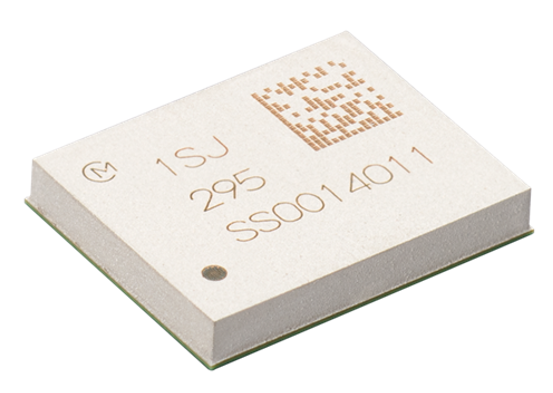
Figure 3: The Type 1SJ (LBAA0QB1SJ-295) module is among the industry’s smallest LoRaWAN™ modules.
Moreover, with support for multiple LoRaWAN™ frequency bands, Murata’s solutions are suitable for global deployment, enabling consistent and scalable livestock tracking across regions and borders.
For developers and system integrators, Murata modules are also designed to simplify the design process, with streamlined integration, reference designs, and robust documentation – all helping accelerate time to market. This combination of size, efficiency, and reliability ensures that Murata remains a key enabler of connected agricultural innovation, allowing for the creation of both effective livestock tags and LoRa modems.
Real-World Applications
Several livestock monitoring projects around the globe have already embraced LoRa technology with remarkable results. From cattle farms in Australia to sheep herds in Europe, LoRa-enabled solutions have improved operational efficiency, reduced losses, and enhanced animal welfare.
The Future of Livestock Monitoring
As global demand for sustainable food systems grows, the need for intelligent, efficient livestock management will continue to intensify. LoRa technology is already proving to be a foundational tool in meeting these demands – enabling more responsive farming practices, greater automation, and improved animal welfare. Looking ahead, the combination of LoRa with emerging technologies, such as AI, edge computing, and data analytics, offers even greater promise.
Predictive models could be used to anticipate health events before they occur, while cross-referencing animal behavior with environmental conditions may lead to new insights into land use and productivity. As LoRa networks become more pervasive, interoperability between systems will also improve, creating new opportunities for collaborative monitoring across entire farming regions.
With continued innovation from trusted component suppliers like Murata, farmers are well positioned to embrace this next generation of connected agriculture – driven by data, guided by insight, and underpinned by robust, long-range wireless infrastructure.
Conclusion
LoRa technology is more than a connectivity standard, it is a powerful enabler of smarter, more sustainable agriculture. By addressing long-standing challenges in livestock monitoring, from connectivity blackspots to high operational costs, LoRa is helping farmers gain greater control over their operations while enhancing animal welfare and productivity.
Murata’s LoRa modules provide the reliable performance, compact size, and global flexibility needed to bring these systems to life in the field. As agriculture becomes increasingly data driven, the integration of LoRa-based solutions represents a practical, scalable step toward a more resilient and efficient future.