Protecting local environments through sustainable resource use
Multinational companies operating in globalised markets are often accused of being ‘citizens of nowhere’, that is, rootless organisations that rely on the free flow of capital, resources, and labour to conduct their businesses almost irrespective of location. Of course, the opposite is true. Multinationals rely on the national and local resources of the countries in which they operate, from legal frameworks and natural assets to skilled workforces, for their success. And it takes good local citizenship to ensure continuing access to those resources.
Growing concern about climate change, and increasing commitment to the UN Sustainable Development Goals, has made this coupling between local action and global impact ever more explicit. Companies such as Murata recognise that the decisions they take at a global level have local consequences, and that the actions that they take at a local level can have a global impact. Therefore, we are working hard to be better local citizens in all the places where we operate facilities, as well as setting targets for the company’s global operations.
This strategy is part of the company’s DNA, expressed in operating principles such as the Basic Policy of Contribution Activities for Society and Community, under which Murata wants to be “a company whose presence in local communities is a source of pride and joy to those communities as well as a company that our employees are proud and happy to work for.” Through dialogue with a wide range of stakeholders, including local residents, we engage in social and community activities that help develop communities and foster a more sustainable society.
Renewable energy sourcing
An obvious example of the linkage between our concern for local communities and our global operations is our approach to energy usage. If we can minimise the amount of energy our facilities have to import from the grid, this can reduce their impact on the local environment, as well as potentially reducing greenhouse gas emissions at the generation site. We’ve acted on this realisation at the global level by signing up for RE100, an international initiative aiming to ensure that the power used in business activities comes 100% from renewable energy sources by FY2050, via an intermediate goal of 50% renewable energy usage by 2030.
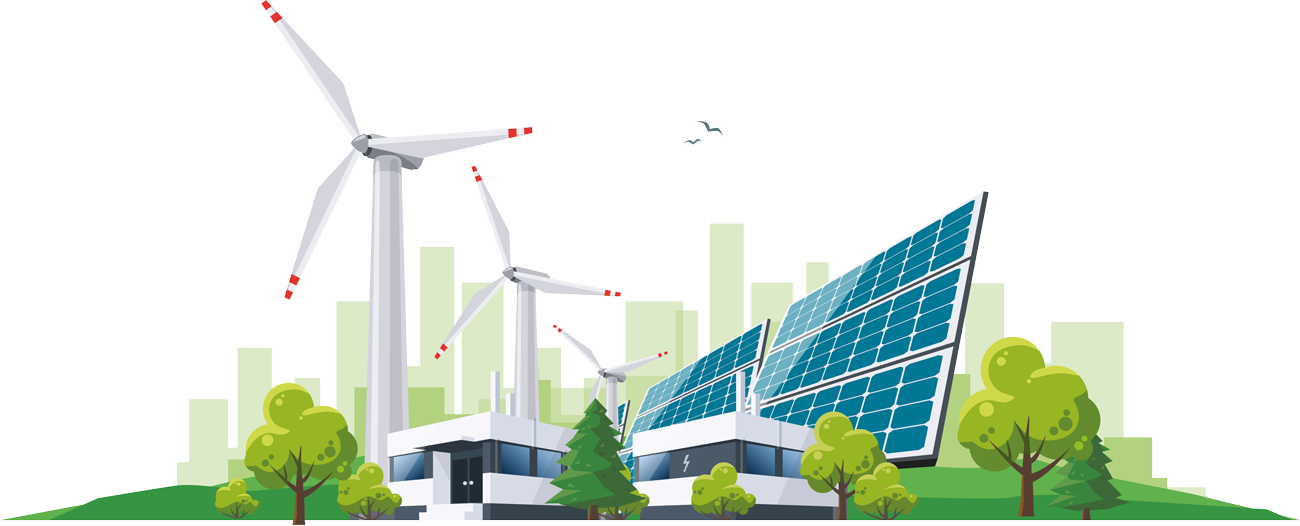
At the local level, we’ve installed solar generation capacity and/or battery storage farms in 10 of our facilities to reduce the amount of energy they need to import from the grid. For example, Kanazu Murata Manufacturing in Awara, Fukui Prefecture, has installed a 638kW solar power plant, a 913kWh storage battery, and Murata’s own energy management system. The factory has been running entirely on renewable energy since November 2021, by combining this system with renewably generated power from the grid. This is an impressive feat given that the weather in the prefecture is often cloudy. Managers at the Awara plant are trying to go further by using improved weather forecasting techniques to match the needs of the production line with local solar generation.
Sustainable use of resources
Making things inevitably involves using energy to process raw materials into a combination of finished goods and waste by-products. In our efforts to be good local citizens, we are working to improve the way we handle this process. We are trying to use more sustainable materials because we are concerned about the possibility of so-called ‘materials droughts’ caused by increased demand driven by the rising population. So, we are trying to make our products from sustainable materials, that is, materials that have been recycled or which are at low risk of becoming depleted in this way.
These are complex challenges, but we can innovate at the plant level and at the company level, as well as learning from best practices in other companies and industries. We also have a responsibility to reduce the polluting impact of our manufacturing processes, and an imperative, given this summer’s heatwaves and droughts, to sustainable use of water.
We recognize the importance of water to our business and are trying to conserve it. We have now achieved an A- rating from the CDP Water and Security survey, a charity that runs a global disclosure system of investors, companies, cities, states, and regions that helps them benchmark and manage their environmental impacts. Furthermore, we are trying to assess the impact of our activities on the watershed, and what we need to do to protect it.
Toyama Murata Manufacturing Co provides an example of how our plants contribute to water consumption reduction. This production subsidiary has built a plant with purification equipment so the plant partially uses treated wastewater as pure water. By using recycled water, we try to harmonize with basin around our business site. It also gives us greater control over the way we use water in the plant.
On the basis that you can’t manage what you don’t measure, Murata is also heavily committed to several standard frameworks for reporting the environmental, societal and governance aspects of its business. These cover factors such as greenhouse gas emissions, energy usage, chemicals usage, emissions, waste management, water usage and so on. Our decision to collect this data has put the issues it reflects at the heart of the company’s concerns, at both the local and global level.

The importance of acting as responsible local citizens
From Murata’s point of view, multinationals are not rootless ‘citizens of nowhere’. They’re global organisations that want to act as responsible local citizens in the many places in which they operate around the globe. While company-wide edicts about energy usage, greenhouse gas emissions, and related issues can set a direction of travel and provide goals to be met, it’s local action that implements the necessary change. Protecting local environments through sustainable resource use is just one way in which companies such as Murata can ensure we remain local citizens in good standing – with all the advantages that brings.